

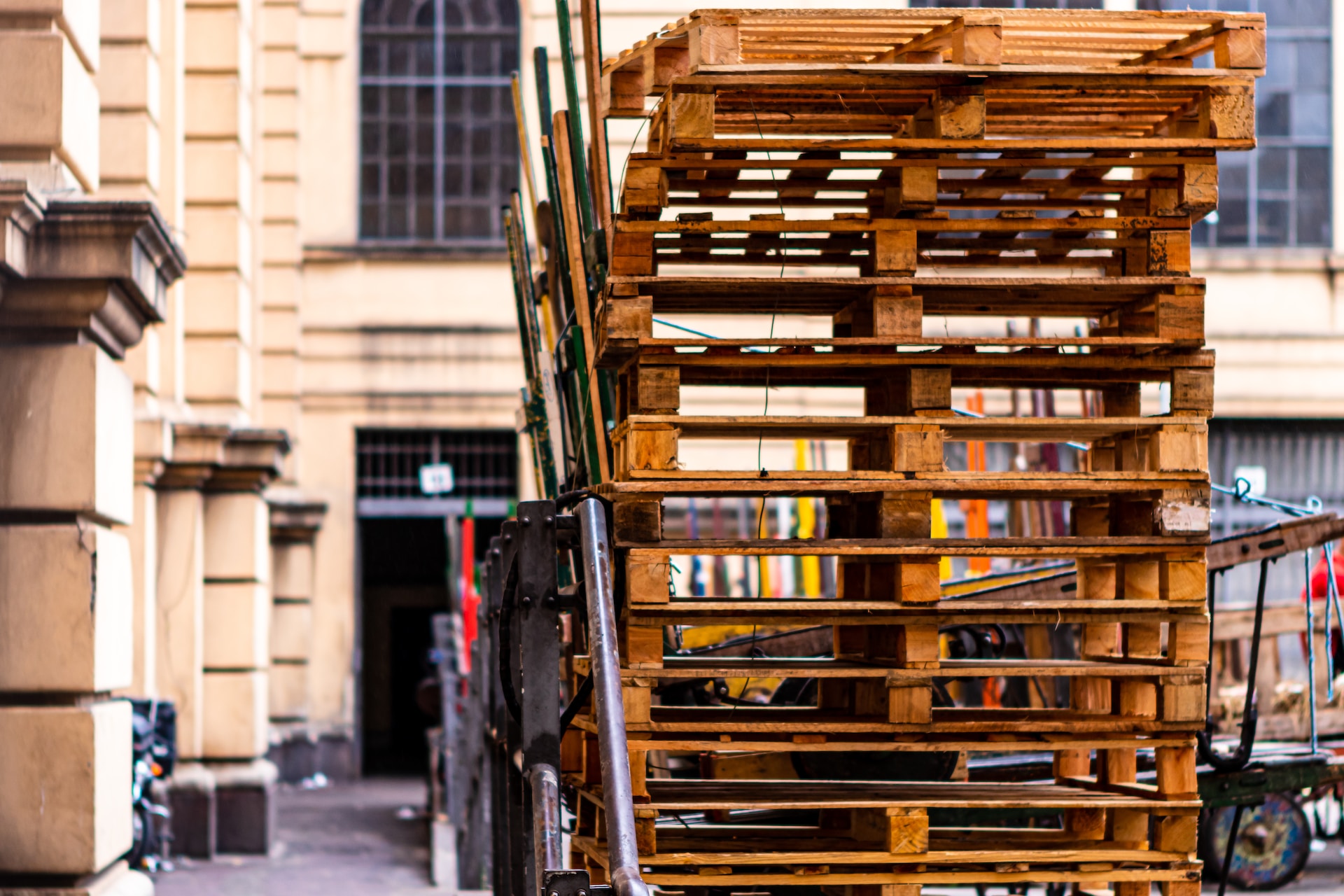



What are the dimensions of transport pallets?

There are various types of transport pallets. Pallets differ in terms of their dimensions, construction and the materials used to make them. For years, Euro pallets – the most standard type – have been the most commonly used for storage and handling. Many people are unaware that pallet dimensions have been standardised, meaning that when discussing specific types of pallets, we can immediately ascertain their dimensions. If you are interested in the types and dimensions of transport pallets, which are used extensively in virtually every industry – not just logistics – for storage and transport, then we invite you to read this article.

Standard dimensions of transport pallets

The standardisation of pallet dimensions took place in 1961, at a time when railways still played the most significant role in transport. At that time, the dimensions 800 x 1200 x 144 mm were adopted as the standard and designated by the abbreviation EUR. To this day, this remains the most popular solution for transporting certain goods. In addition to their standard dimensions, these pallets have a specific design that allows them to be handled by forklift trucks and stacked closely together. Other types of EUR pallets are also used in freight transport, but all of them have a height of 144 mm. Discover the dimensions of transport pallets:

  • EUR 1 pallet, EPAL – measuring 1200 x 800 mm,
  • EUR 2, EPAL 2, ISO pallet, also known as an English pallet or industrial pallet – 1200 x 1000 mm,
  • EUR 3 pallet, EPAL 3 – 1000 x 1200 mm (very popular in some countries),
  • EUR 6 pallet, EPAL 6 – 800 x 600 mm.

EPAL pallets are essential for transport in our country. They have many uses and can be found almost everywhere.

Pallet sizes in the chemical industry:

  • CP 1 pallets – pallets measuring 1000 x 1200 x 138 mm,
  • CP 2 pallets – 1200 × 800 mm × 141 mm,
  • CP 3 pallets – 1140 x 1140 x 138 mm,
  • CP 4 pallets – 1100 x 1300 x 138 mm,
  • CP 5 pallets – 760 x 1140 x 138 mm,
  • CP 6 pallets – 1100 x 1200 x 156 mm,
  • CP 7 pallets – 1100 x 1300 x 156 mm,
  • CP 8 pallets – 1140 x 1140 x 156 mm,
  • CP 9 pallets – 1140 x 1140 x 156 mm.

Shipping pallets – types

European standards for Euro pallets continue to have a huge impact on the entire industry. Although many new types of pallets have been developed, those with standard dimensions remain the most widely used. Transport vehicles and warehouse facilities have been adapted to accommodate them, which is why universal pallets are the best solution. Among the most popular types are:

  • Fumigated pallets or phytosanitary pallets – these are standard export pallets which have undergone appropriate heat treatment (fumigation) so that they can be used outside the country. They are then issued with an IPPC (ISPM 15) certificate, which confirms that they have been properly prepared and meet the European Union’s strictest requirements. These may be reusable or single-use pallets.
  • Container pallets – these measure 1140 x 760 mm and 1140 x 1140 mm. They allow the load to be distributed evenly within the container, which is not possible when using standard EUR pallets.
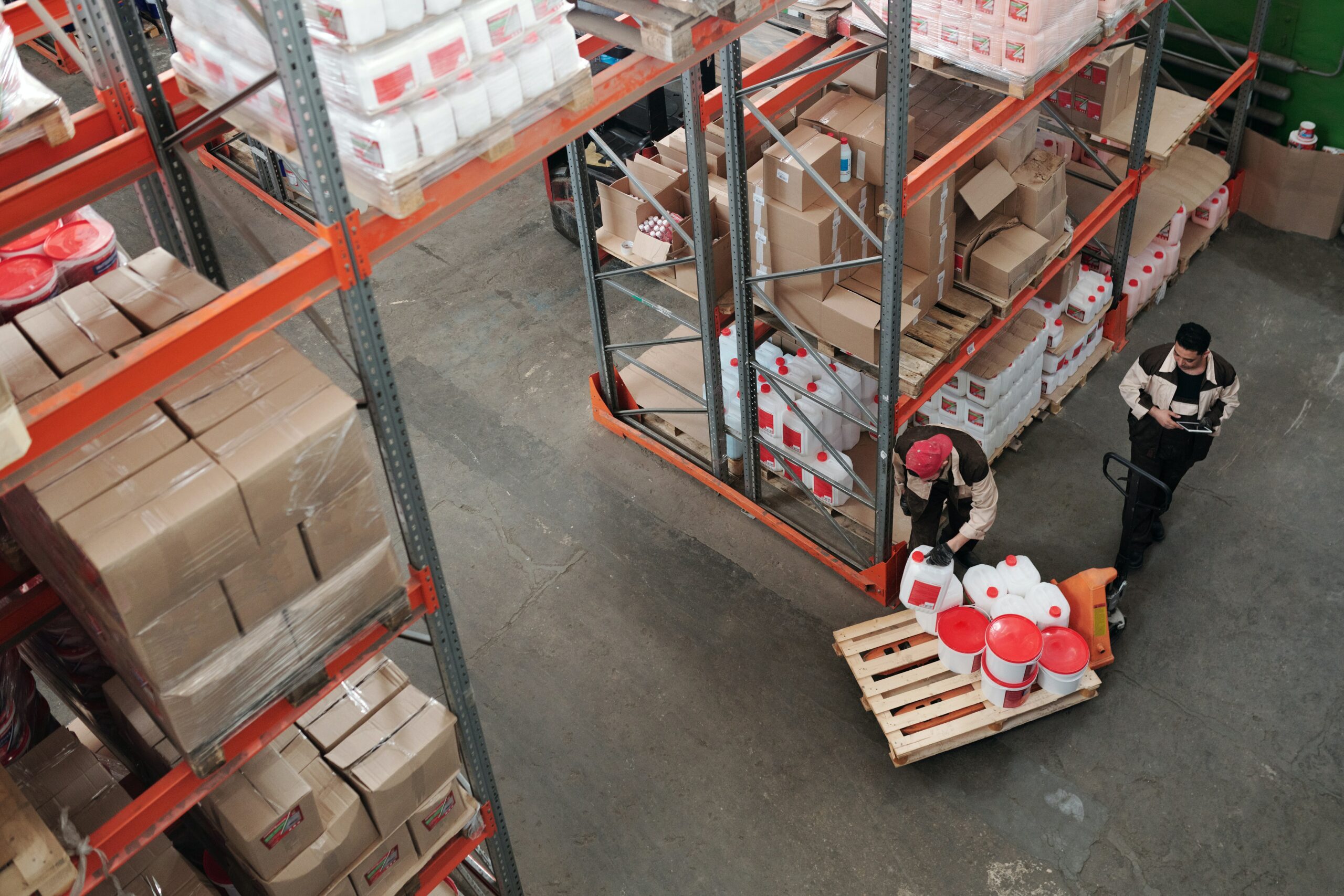
  • Plastic pallets – plastic pallets offer a whole range of advantages. Above all, they are ideal for the food industry. Unlike wooden pallets, they are easy to clean and disinfect. They are lightweight, durable and can be reused many times. They are most commonly found in warehouses and cold stores. They offer excellent strength, are lighter than standard pallets and help keep transported goods clean by preventing the growth of microorganisms. You’ll find them in our range. You can order them right here!
  • Metal pallets – as they are made of metal, they are most commonly used for the heaviest goods. They are often the only option for transporting loads weighing several tonnes. However, it is worth noting that metal pallets are among the most expensive.
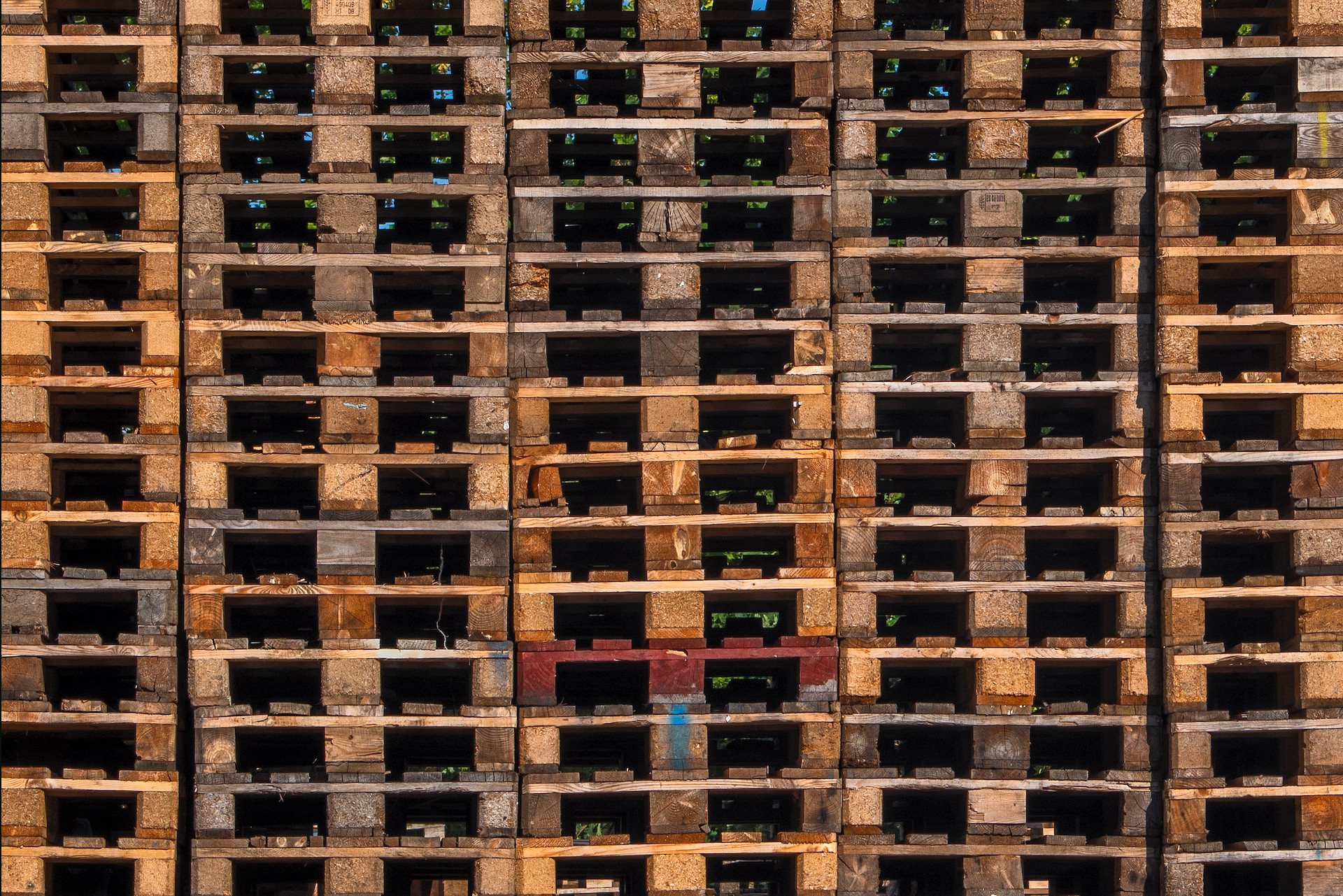
  • Wooden pallets measuring (most commonly) 800 x 1200 x 144 mm. These pallets are widely used across various sectors. The construction of wooden pallets is also standardised. They are usually four-way pallets; they can be single-use (in which case they are made from 3 runners and 5 boards).
ćwierć paleta

Plastic quarter pallet – basic information

The correct display of equipment, goods and products is key to effective marketing and sales. Attractive display, as well as safe storage and transport, are made possible by the use of quarter pallets. Durability and stability are just some of the advantages of this solution, which is increasingly popular across many industries. How are quarter pallets constructed? In which sectors are they used? What are the benefits of this type of pallet? We’ll answer these and other questions today!

A quarter pallet as a type of plastic pallet

A quarter pallet is simply a smaller version of the familiar, classic pallets. It has non-standard dimensions – 600 x 400 mm – which are ideal for smaller goods. Their compact size makes them very easy to move and means they can be handled even without a forklift. This feature significantly simplifies and speeds up all logistics processes, transport and storage.

Quarter pallets are also known as display pallets. This design (with skids) ensures safety and ease of use. Despite their reduced size, the load capacity of quarter-pallets on high-bay racking is as much as 500 kg. This is an exceptionally good result, which allows for a higher load capacity for various types of cargo.

Quarter-pallet dimensions – advantages

Half-pallets and quarter-pallets offer a number of advantages that prove useful across a wide range of industries. These include:

  • maximising the availability of goods on shop shelves,
  • significantly greater visibility of the entire product range,
  • an incentive for customers to make purchasing decisions,
  • improved collaboration within the supply chain,
  • savings in terms of both financial resources and space,
  • maintaining a substantial load capacity despite the compact size,
  • ease of maintaining good hygiene.

Quarter pallets – the perfect tool for stock management

A quarter-size plastic pallet (600×400) is ideal for displaying goods in shops, as well as for transporting and storing them. These pallets are widely used across many industries. They also serve as a logistics tool, proving their worth in product distribution as well as in product display within the shop and at strategic points. They offer the opportunity to maximise promotional space, and due to their reduced size, they are more practical than box pallets.

Each pallet is extremely durable, not only against damage but also against all types of fungi and mould. For this reason, it is ideal for products with high hygiene standards. At the same time, they are easy to handle, and their design makes them highly portable.

Repairing this type of pallet is also straightforward and, unlike industrial pallets, it is an eco-friendly solution that is suitable for recycling. This new solution has gained popularity due to its low cost and resistance to static and dynamic loads.

What else is worth knowing about quarter pallets?

Plastic quarter-pallets and half-pallets can be used for personal purposes. They make excellent planters to decorate your patio or balcony. They can also be used for drainage and retention of water collected from roofs or hard surfaces such as car parks, streets and roads.

Thanks to the properties of the recycled material, these pallets combine high-quality construction with excellent durability and weight. They are also suitable for transport (and handling) on flat surfaces, which reduces transport costs.

Quarter pallets help to maximise storage space, making it significantly more efficient. Pallets can be stacked on top of one another without any risk of exceeding weight limits. Their exceptional durability and stability ensure that all goods, equipment and products are stored, transported and displayed correctly.

The pallets used for product display feature side rails, which provide additional protection to prevent products from sliding off during transport or when being moved around the shop. Furthermore, the pallet itself weighs just 1.75 kg, which makes it much easier to move around.

What are fumigated pallets?


A fumigated pallet is a pallet with an IPPC certificate, which is awarded by the International Plant Protection Convention. This means that they have been fumigated, and are also known as phytosanitary pallets. But what does the fumigation process involve? It may look like this: wooden pallets are subjected to mechanical processing, which eliminates the remains of tree bark. After such fumigation, the pallets receive the DB marking. In turn, fumigated pallets marked MB indicate that methyl bromide gassing, i.e. disinfection, was used for the wooden packaging. The third method of fumigation is heat treatment, i.e. thermal treatment. In this case, the processing of wooden packaging looks like this: it is dried at a high temperature for an appropriate time. Pallets subjected to heat treatment in this way are marked with the HT symbol. Of course, pallets made of other materials, such as cardboard pallets, are not subject to fumigation. It is also worth finding out when and in which countries this process is mandatory.


Fumigated pallet – what after processing?


Each of the listed fumigation processes is of great importance in transport, because it guarantees safety against the spread of pests. Such fumigated pallets should be purchased only from manufacturers who take care of the highest standards of wood protection. After such a process, the fumigated Euro pallet receives the IPPC logo. This means that it was carried out in accordance with the ISPM 15 standard. In addition, such a certified pallet is also assigned an ID number and ISO country code. In the case of wooden IPPC pallets, it is worth paying special attention to this. It is worth knowing that in international transport outside the borders of the European Union, as well as in some EU member states, the use of fumigated pallets is mandatory in international trade. If you are wondering “fumigated pallets for which countries is the IPPC certificate (ISPM15) required?” – we are here to help. The countries in question are: Bolivia, Guatemala, Canada, Peru, India, Switzerland, Mexico, Turkey, South Korea, Argentina, Australia, the USA, Ecuador, Chile, Nigeria, the Philippines, Venezuela, Colombia, South Africa, New Zealand, Panama, Egypt, Brazil, Costa Rica, China and the European Union.


Fumigated Euro pallets – what makes them stand out?


First of all, it is worth using fumigated pallets due to legal requirements and the safety of the ecosystem. Pallet manufacturers should ensure that their products are free from dangerous organisms and insect eggs. Such microorganisms can be transferred to other, standard pallets, infecting them and spreading them. Their elimination makes them safe for the environment and allows them to be recycled. Sometimes, they are required to transport goods outside the EU. However, in order to serve as transport packaging for cargo, they must meet certain guidelines. In the case of pallets that have successfully undergone the fumigation process, the IPCC logo is burned in along with the ISO number of the country and the ID of the company that performed the fumigation. It should be added that the legal requirements for the IPCC certificate apply not only to pallets, but also to crates and other packaging that we want to use to transport goods abroad.


For international trade, it is worth choosing pallets from manufacturers who ensure that they are properly fumigated. If you care about the highest quality products that meet all legal requirements, visit our website. You will find a number of products there that will certainly meet all your needs and legal requirements. If you have any questions, please contact us. We will do our best to dispel all your doubts and answer any questions. We warmly invite you!

Load capacity of a euro pallet – what you need to know?

The construction in the form of a euro pallet was created for the needs of better management of available space. Known and used throughout Europe, the pallet is able to hold a significant amount of goods that generate specific loads. Due to this factor, wooden pallets are often and willingly used for operations in many industries. The load capacity of a euro pallet is therefore a key aspect that determines its popularity in the field of storage, transport and logistics. To learn about the load capacity of a euro pallet, be sure to read the entry to the end.

Euro pallet load capacity – durability and technical capabilities of the euro pallet

Nowadays, it is difficult to imagine the functioning of industry without pallets under the EUR trademark. After all, they were designed specifically for the maximum use of warehouse space and facilitating transport.

The load capacity of a pallet depends on its specific dimensions. A standard pallet is 120 x 80 x 14.4 cm. The specific load capacity of pallets with any distribution of goods is approximately 1000 kg. This value increases, with even storage, up to 1500 kg. The maximum static load capacity of the EUR pallet is 1500 kg. However, the weight of the pallet itself without load is 4 kg.

What does the maximum load capacity and dimensions of the pallets depend on? The dimensions of the pallets are adapted to the limited loading area in trucks, as well as containers for sea transport. An average truck can fit 33 pallets of this type. In the case of containers, this value is much smaller and is 4-5 pieces.

The European Pallet Association is an institution that is known all over the world and is responsible for standardizing and regulating the Euro pallet load capacity.

Euro pallet load capacity – learn about the applications of pallets

In order for the Euro pallet to fulfill its task, it must have an appropriate structure. Pallets are available on the market, which consist of elements in the form of wooden boards with special reinforcements. Such a structure significantly facilitates the main task of such a pallet and reduces the risk of goods being removed from its surface.

Most often, the durability of the euro pallet attracts the attention of the owners of logistics centers. They, along with the transport market players, are among the most interested in the possibilities of euro pallets. Depending on the type of business they run, they want the durability of the euro pallet to be reliable. In this case, it is one of the most crucial elements in the pallet selection process. Currently, about 350-500 million pallets are sold annually around the world.

The load-bearing capacity of the euro pallet and the material it is made of are important, and it is even one of the main sales factors.

Dimensions and prices of industrial pallets


There are various types of pallets on the market, including 1200×800 industrial pallets, whose durable construction and high load-bearing capacity make them an excellent choice for many companies. Wooden industrial pallets are often used as substitutes for standard Euro pallets. However, what distinguishes them from other types of pallets? Mainly the ability to adjust their specifications to the individual needs of the company. In turn, if you are interested in industrial pallet price, please visit our website.


Industrial pallet – specification


Such pallets differ from other products in the same category. First of all, the price of an industrial pallet is very attractive. Ordered industrial pallets can be adjusted to the individual needs and expectations of the company. There is freedom when it comes to the parameters and dimensions of such pallets. However, the most popular is the industrial pallet measuring 1200 mm x 800 mm. Companies offering such wooden pallets do not have to have an EPAL license, however, it is possible that we will encounter the IPPC marking on their boards. Industrial pallets are used in the same way as others, e.g. for transporting goods, usually up to 700 kg. When buying new industrial pallets, the price depends on many factors. If you are interested in industrial pallets for sale – check out our offer. Thanks to the huge selection, we are able to offer you many different types of pallets. We cordially invite you to contact us.

zmniejszenie śladu węglowego

Carbon footprint analysis


Logistics remains an industry that requires special consideration of the topic in terms of carbon footprint. It turns out that a significant part of the reduction can be achieved with a small amount of work. Introducing small changes in the way a company is organized can have a real impact on the topic. Reducing emissions and calculating the carbon footprint itself is also extremely important for our business. That is why we are pleased to appear at this year’s edition of Transport&Logistics Future 2023 as a speaker. We will discuss the topic  “Reducing the carbon footprint in the logistics industry by introducing ecological LIBRA PARTNERS transport pallets”. If you want to find out what the effects of a carbon footprint are, or what a carbon footprint study looks like, be sure to stay with us and read the entry to the end.


Carbon footprint – what is it? Why is sustainable development so important?


What is a carbon footprint? A carbon footprint is nothing more than an indicator that allows you to calculate the level of greenhouse gas emissions per person, company, or even product, along with its entire life cycle. The indicator, called a carbon footprint, includes not only carbon dioxide emissions, but also methane, nitrous oxide, and other greenhouse gases that directly affect the heating of our planet’s atmosphere.

A company’s carbon footprint is nothing more than all aspects of its operations. This includes electricity consumption in offices or other buildings, the production of the assortment itself, and all transport activities. Calculating the carbon footprint for specific products includes emissions related to the collection of individual raw materials for their production, import, storage, and transport issues, as well as their use. Their potential suitability for recycling should also be taken into account.


Carbon footprint of transport – carbon dioxide equivalent in large companies and businesses


The logistics industry generates incredible amounts of carbon footprint. It consists of a multitude of factors that must be taken into account when organizing such activities. It turns out that the individual carbon footprint of a person in our country is on average 10 tons per year.


The energy consumption of individual Polish companies can reach the size of some European countries. These are huge indicators that should be quickly and effectively reduced. It turns out that environmental protection is becoming an increasingly popular topic in the logistics sector, and climate neutrality itself is gaining more and more supporters. The attitude of the average consumer is also changing, who is increasingly choosing products and services that operate in accordance with pro-ecological thinking.

Reducing the carbon footprint and achieving climate neutrality of a company brings a whole host of benefits. Reducing greenhouse gas emissions allows, among other things, to attract new customers and arouse their sympathy and loyalty towards a given company. More and more individual customers and companies decide to choose companies that decide to reduce the size of their carbon footprint.


A specialized foundation or organization can help in calculating the company’s carbon footprint. They are the ones who know that reducing the carbon footprint is important and are perfectly familiar with the ways to reduce this indicator. One of such key solutions in the logistics industry is, for example, the optimization of individual delivery routes.


Reducing the carbon footprint of an organization and appropriate and reliable reporting of sustainable development regarding emissions allows for the development of the company, raising the level of its products and services and introducing market competitiveness. 

Currently, foundations dealing with calculating the carbon footprint come from outside Poland or have an investor in their supply chain who requires them to do so. This results in the fact that the decision to calculate the carbon footprint is also a very good business move. Implementing such a process allows for reducing the carbon footprint, limiting climate change and the negative impact on the environment.


Carbon footprint compensation – reduce your carbon footprint


There are many steps that can be taken to reduce the carbon footprint in production processes and not only. These are changes that will undoubtedly bring benefits to the company and make the goods and services sector better. Companies can decide on ecological lighting or water recovery. It is worth noting that materials such as steel, aluminum, and glass are responsible for generating very large carbon footprint values. Removing such a carbon footprint is only possible to a small extent, and this is the reason why companies should pay attention to their activities, already at the time of establishing offices or production halls. Such a strategy of reducing the carbon footprint can bring satisfactory results that will contribute to energy efficiency. It is possible to obtaineven a zero carbon footprint, i.e. complete elimination of gas emissions.


Experts advise that the calculation of a product’s carbon footprint should be made in accordance with the GHG Protocol, which specifies general standards for measuring and managing greenhouse gases. Such measurements are the main part of the company’s value chain and help reduce climate change.


Digital carbon footprint – what is it?


The digital carbon footprint is the total sum of greenhouse gas emissions produced during the use of digital technologies. The digital carbon footprint is a concept that has been known for many years, but its importance was ignored for a very long time. The level of the carbon footprint generated by technological devices increased significantly during the pandemic, when the entire world operated mostly in the online space. According to research from 2022, the carbon footprint limit has been significantly exceeded and is constantly growing.

Digital carbon footprint – how to reduce it? Reducing gas emissions is possible by significantly reducing the use of the Internet and digital devices. Unfortunately, such a solution seems impossible these days. That is why it is worth choosing the services of companies that care about reducing the carbon footprint.


Reducing the carbon footprint in the logistics industry


We are perfectly aware of how important it is to reduce the carbon footprint, which is why our company takes the necessary steps to help reduce it. By choosing durable plastic pallets made from recycled raw materials, you are choosing an ecological solution. If you want to learn more about reducing the carbon footprint in our company, we invite you to familiarize yourself with our full offer.

https://www.europarl.europa.eu/news/pl/headlines/society/20181212STO21610/odpady-z-tworzyw-sztucznych-i-recykling-w-ue-fakty-i-liczby

Plastic production has skyrocketed in just a few decades – from 1.5 million tonnes in 1950 to 359 million tonnes in 2018 worldwide. Plastic waste has also increased with it. While production fell sharply in the first half of 2020 due to the COVID-19 pandemic, it picked up again in the second half of that year.

The EU has already taken action to reduce plastic waste, but what happens to the waste that is still being produced despite all efforts? And how can recycling of plastic waste be increased?

EU action to reduce plastic waste

Plastic waste treatment in Europe
The most common way to dispose of plastic waste in Europe is through energy recovery, followed by recycling. As the infographic shows, around 25% of all plastic waste generated is landfilled.

Half of the plastic collected for recycling is exported to countries outside the EU. Reasons for export include a lack of capacity, technology or financial resources to process the waste locally. EU waste exports to non-EU countries amounted to 32.7 million tonnes in 2020. The majority of waste is made up of ferrous and non-ferrous metal scrap, paper, plastic, textile and glass waste. It mainly ends up in Turkey, India and Egypt.

In the past, a significant share of exported plastic waste was sent to China, but recent restrictions on plastic waste imports in China are likely to further reduce EU exports. This poses a risk of increased incineration and landfilling of plastic waste in Europe. Meanwhile, the EU is struggling to find sustainable and climate-friendly ways to manage plastic waste.

The low level of plastic recycling in the EU means big losses for the economy and the environment. It is estimated that the economic value of plastic packaging is lost to 95% after a short period of first use.

Scientists estimate that worldwide in 2019, plastic production and incineration pumped more than 850 million tonnes of greenhouse gases into the atmosphere. By 2050, these emissions could rise to 2.8 billion tonnes – some of which could be avoided through better recycling.

Read more about waste management in the EU.

Problems with plastic recycling
The main challenges to recycling plastics are the quality and price of the recycled product compared to its virgin counterpart. Plastic processors need large volumes of recycled plastics, produced to strictly controlled specifications and at a competitive price.

However, plastics can be easily tailored to the needs (functional or aesthetic) of each manufacturer, so the variety of raw materials complicates the recycling process, increasing its cost and affecting the quality of the final product. As a result, demand for recycled plastics is growing rapidly, but in 2018 it only accounted for 6% of European plastic demand.

EU plans to move towards a circular economy by 2050, including reducing plastics.

Solutions to boost plastic recycling
In June 2019, the EU adopted new rules to tackle plastic marine litter. The rules introduce a series of measures targeting the 10 single-use plastics most commonly found on European beaches, as well as fishing gear. They also include a target for 25% of plastic in plastic bottles to be recycled by 2025, and 30% by 2030.

In November 2022, the European Commission proposed new EU packaging rules, including proposals to improve packaging design, such as clear labelling, to encourage reuse and recycling. They also call for a shift towards bio-based, biodegradable and compostable plastics.

Find out how the EU aims to achieve a circular economy by 2050.

As part of the Green Deal, 55% of plastic packaging waste should be recycled by 2030. This would mean better design for recycling, but MEPs say measures are also needed to stimulate the market for recycled plastics.

These measures could include:

creating quality standards for secondary plastics;
encouraging certification to increase industry and consumer confidence;
introducing mandatory rules on minimum recycled content in certain products;
encouraging member states to potentially reduce VAT on recycled products.

The European Parliament also backed a ban on lightweight plastic bags in the EU in 2015.

It also called on the European Commission to take action against microplastics.

In January 2023, Parliament voted in favour of a waste shipment law to encourage reuse, recycling and reduce pollution. MEPs insist that exports of plastic waste to countries outside the Organisation for Economic Co-operation and Development (OECD) should be banned, while shipments to OECD countries should be ended within four years.

https://www.money.pl/gospodarka/polskie-lasy-znikaja-w-oczach-nie-wiadomo-co-dzieje-sie-z-drewnem-a-ceny-szaleja-6766271778044736a.html


Representatives of the timber industry accuse the State Forests of predatory timber management in Poland, and Polish wood is exported on a larger scale than the state organization reports. In their opinion, the policy pursued by the State Forests is driving up wood prices. As a result, there is a shortage of wood, and prices in Poland are currently the highest in Europe. For this reason, construction materials are also becoming more expensive and the prices of firewood are rising. Ecologists and social activists, on the other hand, believe that mass logging has been going on in Poland for many years. In addition, foresters themselves do not know what happens to the cut wood.

The timber industry wants an export ban
The lack of access to information is not the only problem. The timber industry has been warning for several years that it is not possible to buy enough wood from the State Forests.

According to representatives of the sector, this is the result of the policy pursued by the State Forests, which is driving up wood prices. The reasons include new rules for the sale of wood, i.e. reducing the pool for regular recipients to 70 percent of purchase history. This means that only 30 percent. wood goes to auctions, where you can buy without restrictions.

As a result, today we have the highest wood prices in Europe. The price of pine wood at auctions reaches up to PLN 1,000 per cubic meter.

In total, in the last year, wood prices have increased by 200-300 percent in some cases. In addition, it is now starting to be scarce, which makes them even more expensive.

Since last year, OSB boards, among others, have drastically increased in price. Data from the PSB group show that in September 2021 they were almost 125 percent more expensive than a year earlier. The window joinery industry has also felt the increases. In the first quarter of last year, the price of so-called square timber, necessary for the production of windows, was PLN 2.1 thousand per cubic meter, and at the end of the year, prices rose to PLN 4.5 thousand.

Forests cover over a quarter of Poland’s area. Forest complexes play an important role – they protect us, among other things. from the negative effects of climate change, including droughts, floods and heat. Therefore, they should be protected as our common heritage.

In recent years, however, huge amounts of cut trees arranged in piles have become an everyday sight in Polish forests. The scale of felling is also causing increasing controversy. Especially since it concerns both suburban forests and landscape parks or reserves. Trees are also cut down en masse in primeval forests.

https://www.parp.gov.pl/component/content/article/83679:co-to-jest-esg-i-jak-realizacja-celow-zrownowazonego-rozwoju-moze-wplynac-na-prowadzenie-twojego-biznesu


The EU Taxonomy Regulation and the CSRD Directive impose a number of requirements on companies related to financial and non-financial reporting in the context of implementing the Sustainable Development Goals. The new obligations will cover both large companies employing over 500 employees and some entities from the SME sector. The submission of reports by the first group of companies will be mandatory as early as 2025. What specific areas of activity will the reporting cover? We invite you to read.
SDGs, ESG, CSR are abbreviations that have recently gained publicity in the context of the responsibility and obligations of companies, including legal and accounting, management, as well as development and strategic, relating to sustainable development. This is related to the need for a different approach to the development of societies, management, production and use of goods, due to the unfavorable climate changes taking place in the world and social inequalities for which humans and their activities are responsible.

Currently, humanity must face many environmental challenges, such as the shrinking of non-renewable resources, the loss of biodiversity, the degradation of the Earth, limited access to clean drinking water. And also cope with the growth of many social problems such as hunger, social unrest or even conflicts over access to shrinking resources. The above problems overlap with other unfavorable phenomena: poverty, inequality, lack of access to education or basic health care. We can say with full responsibility that as humanity we are at a turning point, when we must choose a different path of development, based on respect and well-being for the environment and people.

UN unanimously adopts Sustainable Development Goals (SDGs) for implementation
The above problems and threats motivate governments to take legislative steps, and the most important decision on a global scale to change the approach to actions taken by citizens was the adoption at the New York summit in 2015 by the UN General Assembly of the “2030 Agenda for Sustainable Development”, i.e. development that meets the needs of the current generation without compromising the ability of future generations to meet their needs. All UN countries (193) have committed to meeting the goals to change the direction of world development to one that is responsible for the Planet, People and the Environment. The 2030 Agenda includes 17 Sustainable Development Goals (SDGs) along with 169 detailed tasks from five areas – people, planet, prosperity, peace and partnership.

The Sustainable Development Agenda is a direction and concept of socio-economic development based on conscious decisions, i.e. decisions that take into account not only the economic aspect (not limited to profit), but also the social aspect concerning high quality of life, health and well-being with social justice, the environmental aspect related to maintaining the Earth’s capacity to support life in all its diversity and broadly understood corporate governance, which support each other.